
ABOUT OUR RESEARCH
ABOUT OUR RESEARCH STUDIES & PUBLICATIONS
TCO physicians, physical therapists, and research team have been actively engaged in clinical research for over 20 years and is dedicated to conducting research and quality improvement studies which provide benefits to our patients and advance clinical practice. We are widely published in the areas of sports medicine, arthroscopy, arthroplasty and patient-reported outcomes.
TCO is committed to furthering our understanding of the diagnosis and treatment of orthopedics and sports-related injuries. This is being accomplished through a multidisciplinary approach that includes thought leaders on musculoskeletal research, outcomes, clinical research, basic science, biomechanics, rehabilitation and performance.
RESEARCH STUDIES
TCO has an established track record of enrollment, data capture, and retention of study subjects. Our sites are enrolled in several industry sponsored studies throughout the year, and we are frequently complimented on our quality data and long-term follow-up protocols.
To view current IRB approved studies, click here.
RESEARCH PUBLICATIONS
To view current publications, click here.
To view past research studies and publications, click here and download the TCO Foundation Annual Reports.
FOUNDATION SUPPORT
At TCO, research and education remain central to our mission of advancing patient care and strengthening collaboration across the orthopedic community.
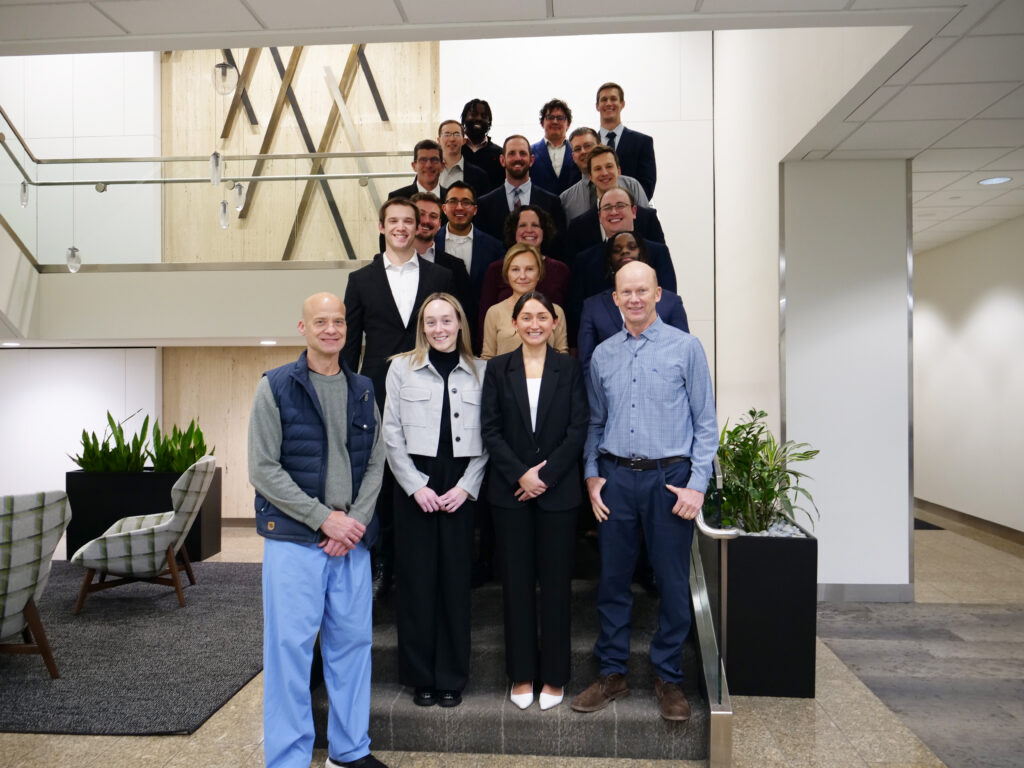
This year’s Research & Education Annual Meeting showcased significant innovations and impactful research from our multidisciplinary team. Designed for the full spectrum of orthopedic professionals—including physicians, physical therapists, occupational therapists, and athletic trainers—the event highlighted their expertise and forward‑thinking work driving progress from surgery to sports performance.
Expert Insights and Meaningful Discussions
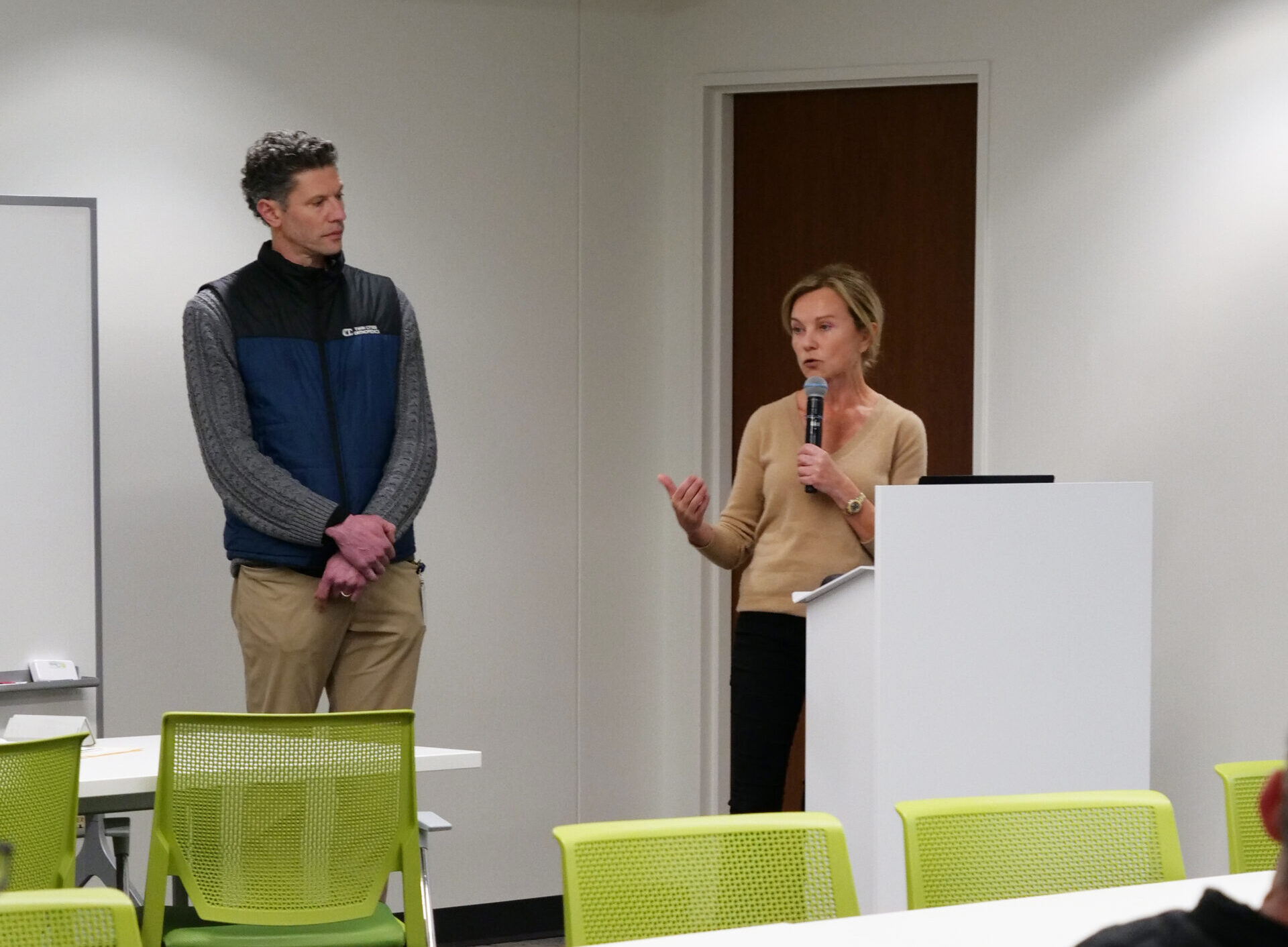
Presenters from TCO, Training HAUS, and Preventive Cardiology Clinic delivered focused sessions on key clinical and performance topics. Interactive Q&A segments fostered productive dialogue, supporting shared learning and further exploration of emerging ideas.
Exploring New Frontiers in Orthopedic Research
The meeting highlighted research and advancements across key areas of orthopedic care.
- Extremities Research: Presentations highlighted innovative treatment approaches for adolescent spondylolysis, analysis of non union/complication rates in first metatarsophalangeal joint revision surgeries, correlations between peak plantarflexion angle and biomechanical outcomes in Achilles tendon repair, and a clinical evaluation identifying the most stable repair method for ankle syndesmosis injuries.
- BioLab and Sports Science: Mitchell Carlson shared updates from six 2025 Bioengineering Lab projects, including findings from the AOSSM 2025 Cabaud Award–winning study demonstrating that increased posterior tibial bone loss contributes to instability after ACL reconstruction, while adding an LET reduces that instability. Training HAUS Sports Science presentations included early research on the relationship between eccentric strength training and performance variables in change of direction and curved running tasks, publication updates on single leg squat testing after ACLR, and year over year growth in Sports Science Lab analyses (Running +38%, TRAC Knee +8%, overall lab volume +18%).
- Preventative Medicine: In collaboration with Health Quotient, Preventive Cardiology Clinic’s Dr. Elizabeth Klodas presented findings on cardiometabolic risk among law enforcement professionals—identifying them as a high risk population requiring early, proactive prevention and intervention strategies.
- Hip and Knee Research: Topics included outcomes after complete radial lateral meniscal tear repair and an overview of an AOSSM 2026 Cabaud Award finalist study examining how posterior tibial slope affects anterior tibial translation in the setting of ACL and PM meniscus injuries. Additional updates covered ongoing studies evaluating kinematic and kinetic variables after hip arthroscopy, the relationship between ACL RSI and quadriceps LSI, and progress across several complex knee research initiatives.
Thank You
We extend our gratitude to everyone who attended and contributed to this year’s meeting. Your dedication to research and education is shaping the future of orthopedic care.